2026 New Year’s Resolution: Honoring Japanese Tradition and Embracing Global Challenges
New Year Greetings: Japan’s Special Days Spent with Loved Ones
Happy New Year!
In Japan, it is a long-standing tradition to spend time with family and close friends from December 31st (Omisoka) through January 3rd (Oshogatsu). This year, my home was filled with laughter and joy as my family gathered from out of town to celebrate the New Year together.
Today, I’d like to share two things close to my heart: the Japanese traditions I cherish, and the “global stage” I’ll be stepping onto later this month.
Homemade Osechi: The Legacy of Mochi-Making and Flavors of Home
Speaking of New Year, the highlights are Toshikoshi Soba (year-crossing noodles), Osechi-ryori (traditional feast), and Ozoni (mochi soup).
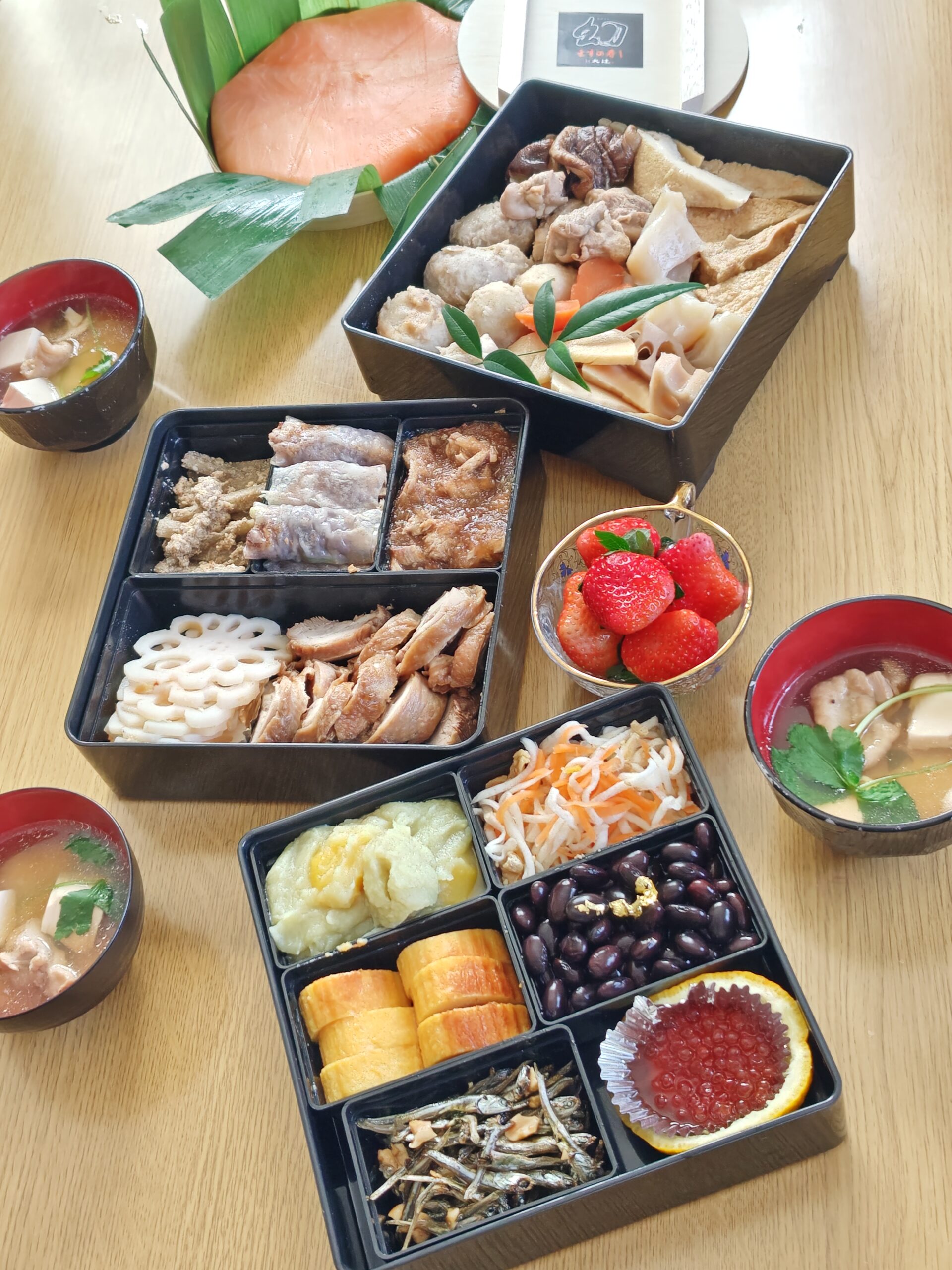
In my household, we prepare our Osechi dishes from scratch, one by one, with great care. While store-bought sets are undeniably beautiful, the best part of homemade Osechi is being able to tailor the flavors. By reducing the sugar and salt, I can make them healthier and more delicious for my children, who always enjoy every bite!
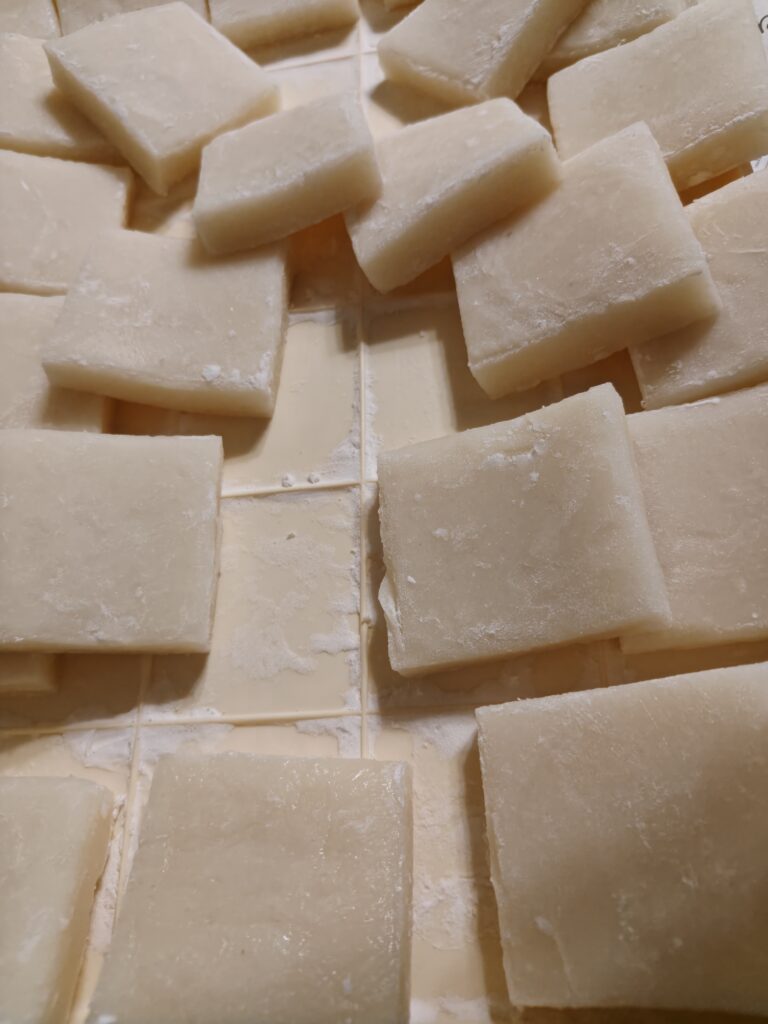
Another essential part of the celebration is “Mochi” (rice cakes), which are believed to be a vessel for the gods. My father and grandmother used to make the mochi for us, and now I have inherited that tradition along with their mochi-making machine. I’ve continued this practice for years, hoping to pass this part of Japanese culture down to my children. It’s a very old machine, but it’s still working hard for us! (lol)
Wishes within Osechi: Symbolism and Ancient Wisdom in Every Tier
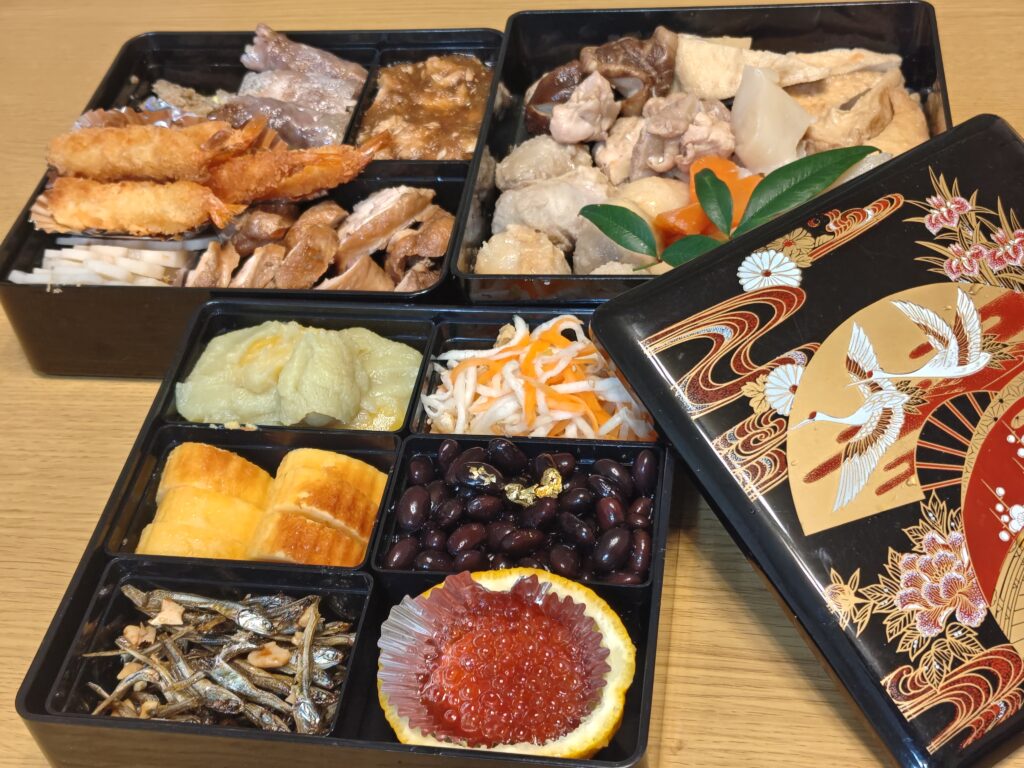
Osechi is more than just a celebratory meal; it is a collection of wishes, with each ingredient carrying its own deep symbolism.
- Kuromame (Black Soybeans): In Japanese, the word mame means both “bean” and “to work diligently.” We eat these with the wish to stay healthy and work hard throughout the year.
- Tazukuri (Candied Sardines): Historically used as fertilizer, these symbolize a prayer for a bountiful harvest and prosperity.
- Datemaki (Sweet Rolled Omelet): Because its shape resembles a traditional scroll, it represents a wish for academic success and the continuous growth of knowledge.
The tiered boxes, called Jubako, signify “layering happiness upon happiness.” There is also a bit of practical wisdom involved: since Osechi is prepared to stay fresh for several days without needing much fire, it allows everyone to take a break from housework during the holidays. I made sure to take a well-deserved rest from my chores on New Year’s Day!
Tradition Meets Contemporary Style: Kadomatsu and the Custom of Hatsumode)
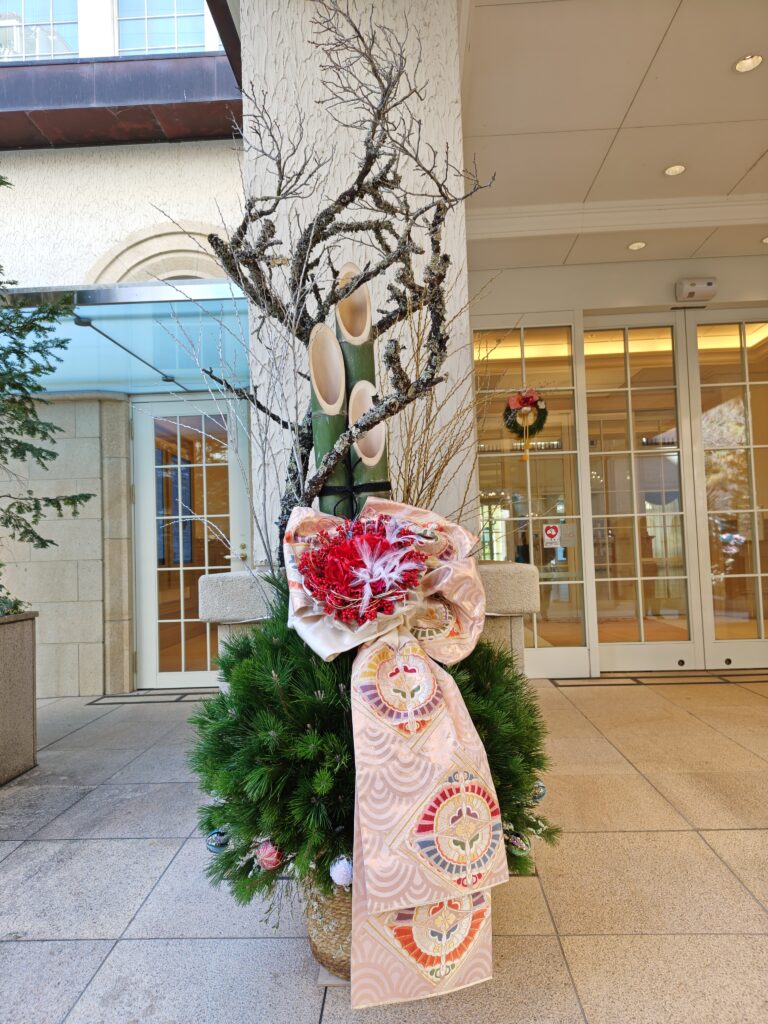
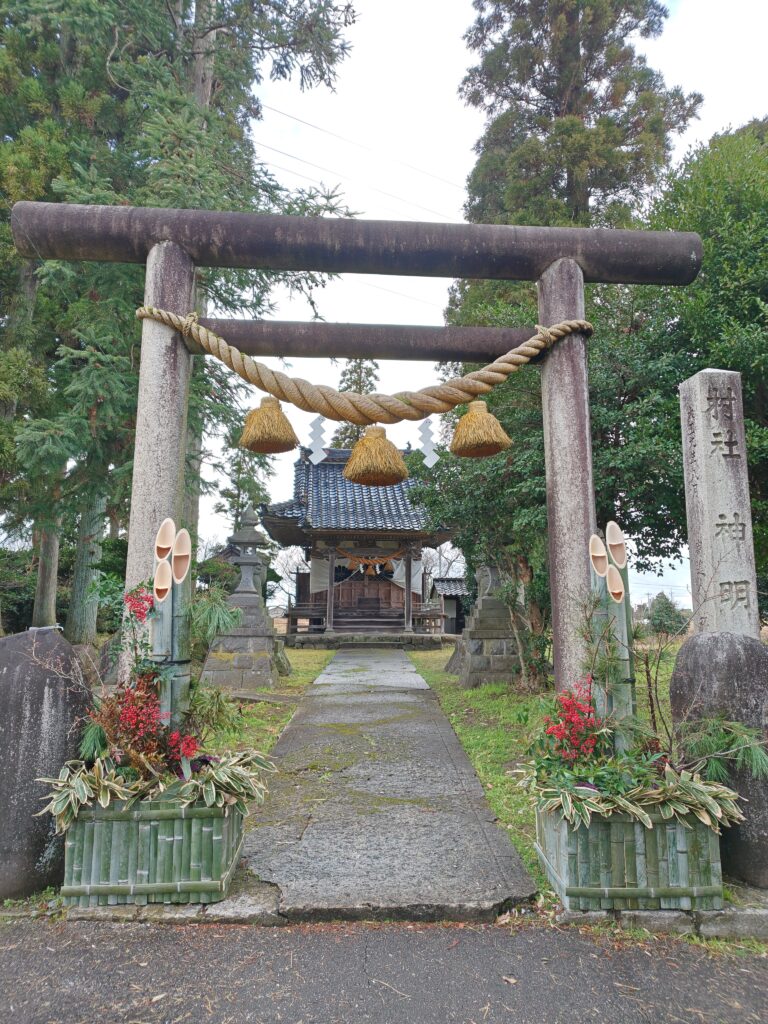
If you take a stroll through the streets of Japan during the New Year holidays, you will surely encounter “Kadomatsu”—traditional pine decorations placed at the entrances of homes and buildings. I recently saw a magnificent one that was elegantly adorned with a kimono obi (sash). It was such a lovely, creative twist! This fusion of timeless tradition and contemporary aesthetics is truly one of the charms of a Japanese New Year.
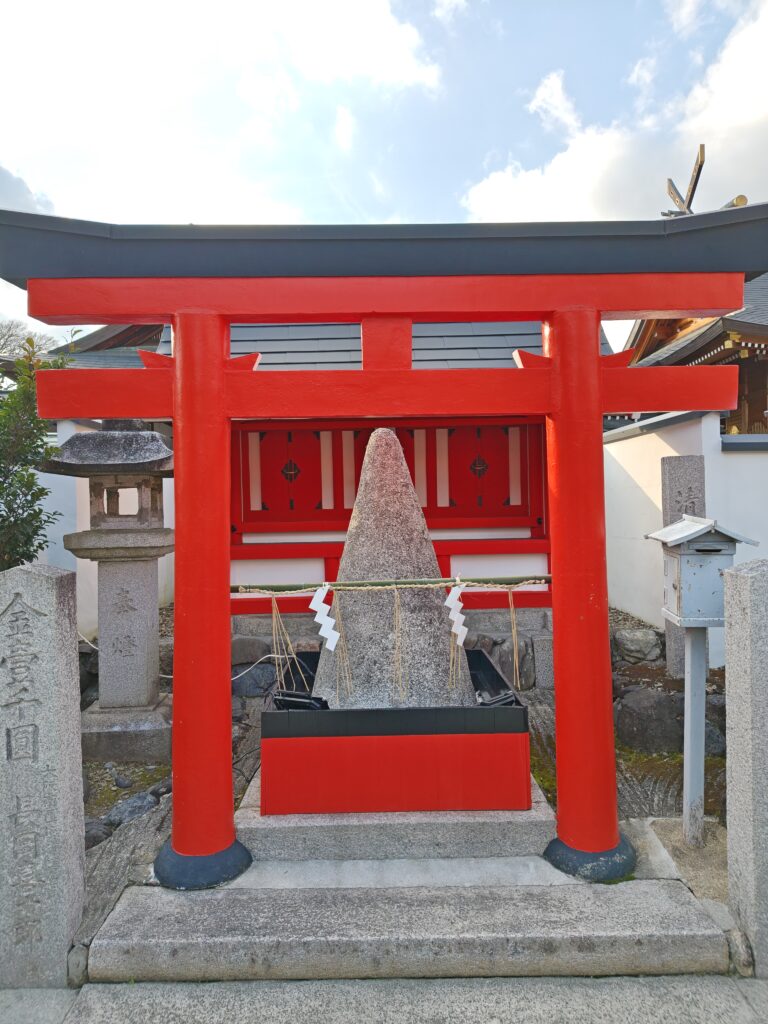
Another deep-rooted custom is Hatsumode, the first shrine or temple visit of the year. Some people even head out on the night of December 31st to welcome the New Year there. I made my visit after the turn of the year to offer my prayers and start the season with a fresh heart.
Heading to the “Academy Awards of Voice”: Connecting with Global Peers in LA

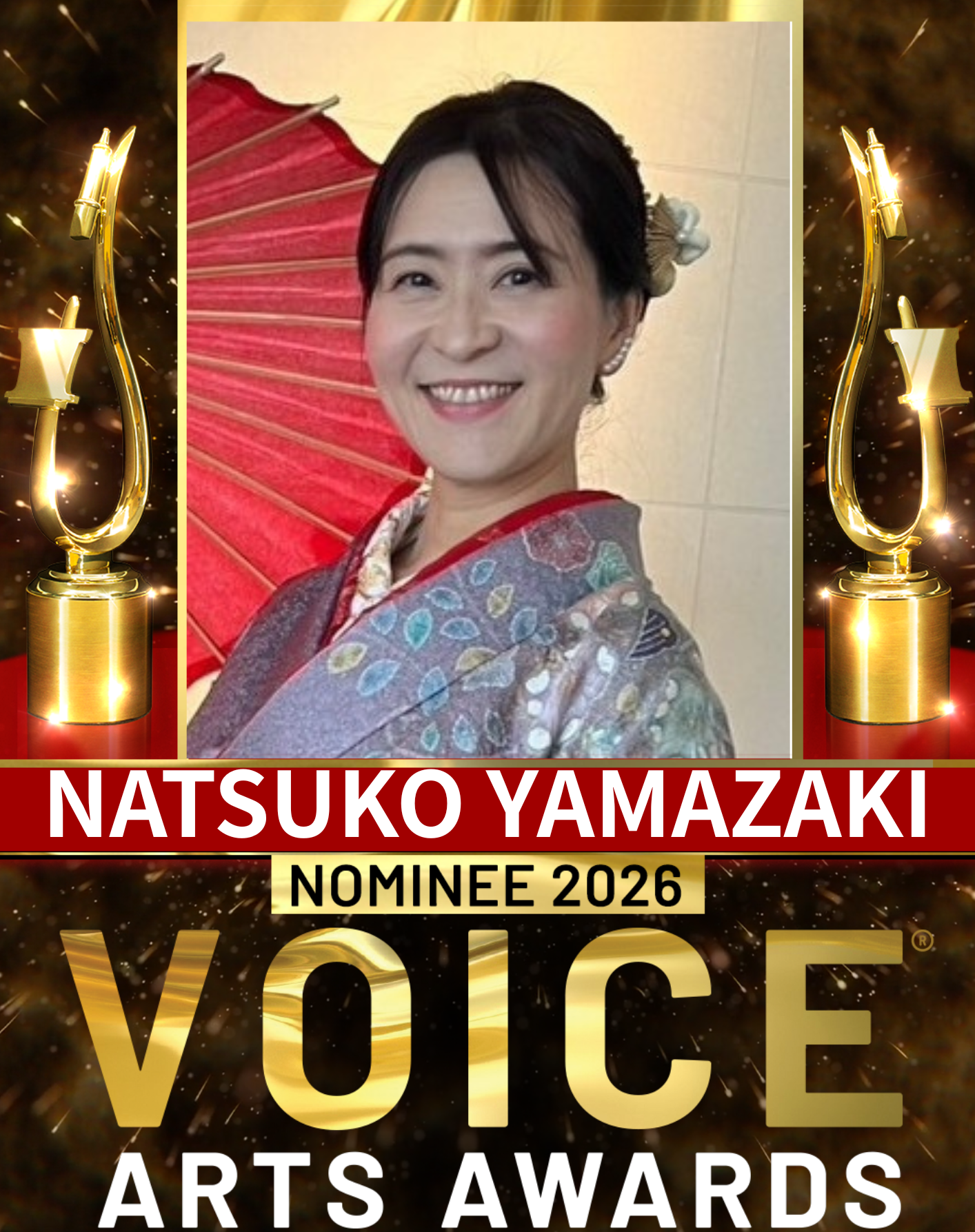
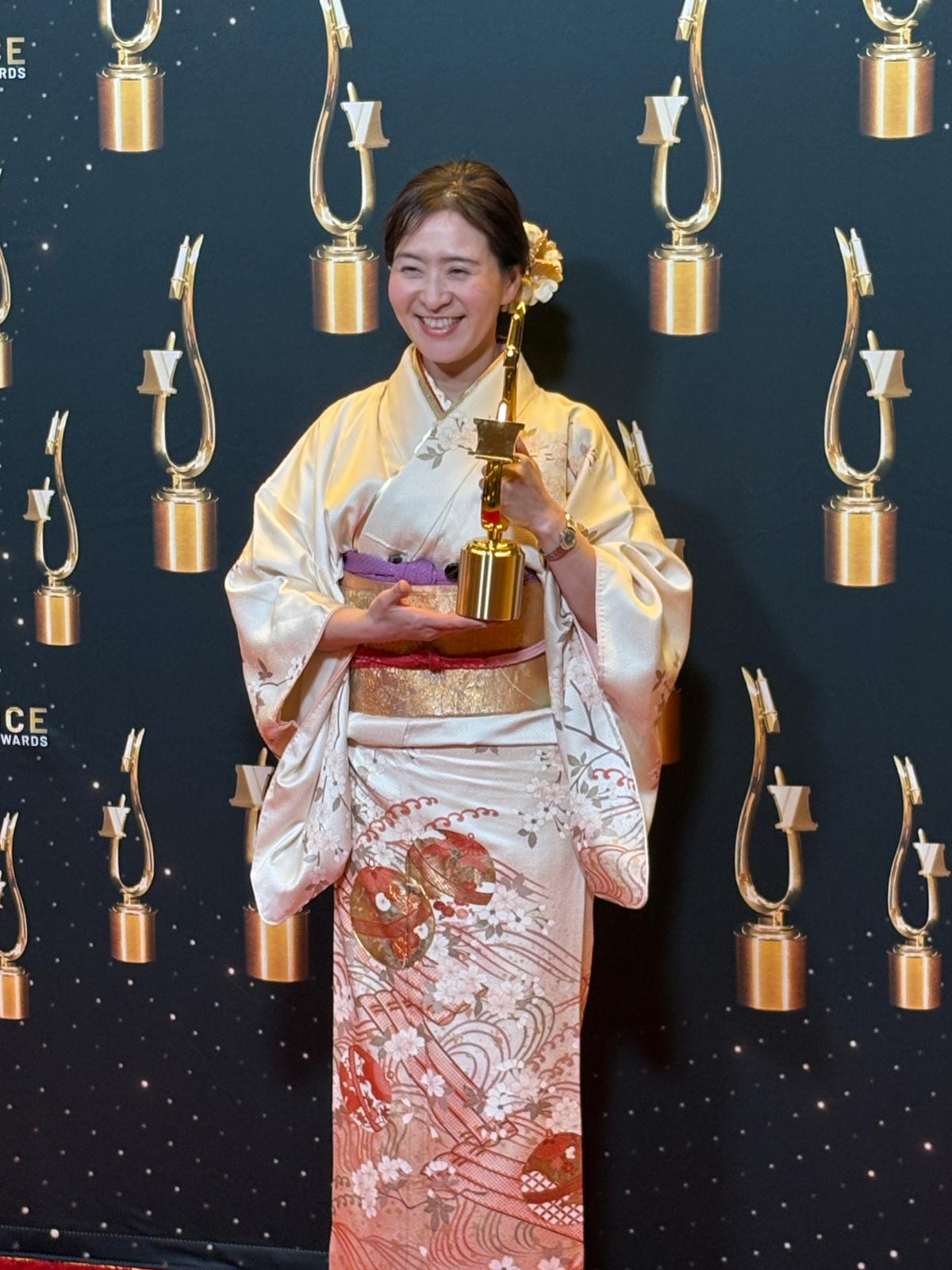
Now, I have a major challenge awaiting me this month. I am heading to Los Angeles to attend a prestigious international awards ceremony for voice actors and narrators—an event often described as the “Academy Awards of Voice Acting.”
I am incredibly honored to have received nominations in two categories: “Audiobooks” and “Corporate Narration.”
This will be my third time attending this ceremony. While my husband, who is a director, will be staying in Japan for work this time, I will be making the journey solo. This event brings together world-class narrators and directors from across the globe, and my mission goes beyond just seeking honors. My goals for this trip are:
- To expand my circle of international colleagues and friends.
- To foster a deeper mutual understanding of each other’s work, cultures, and traditions.
- To connect on a heart-to-heart level through English and even gestures.
Though the schedule is tight, I am determined to make the most of every moment—connecting with as many people as possible and turning this into a time of immense learning and growth.
3 Years on the Global Stage: Reaching New Heights as a Voice Artist
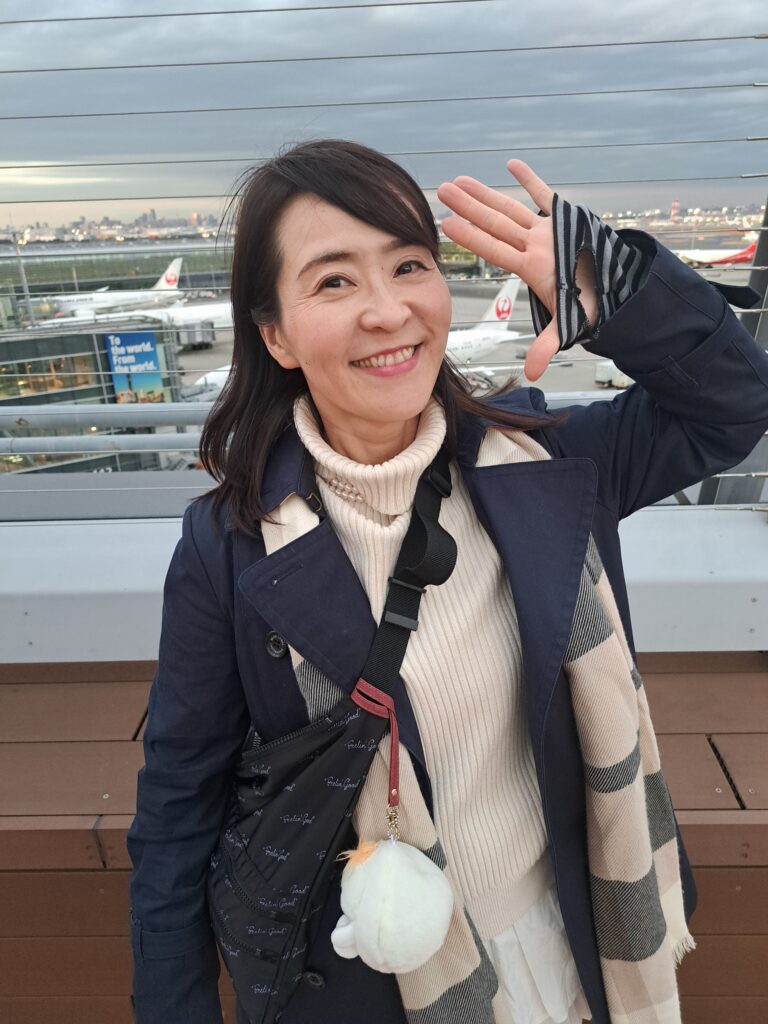

This year marks my third year of taking on global projects from Japan. I have found that vocal requirements and trends can differ significantly between Japan and the rest of the world. My goal for this year is to sharpen my intuition—to truly discern what is being sought in each unique market and provide the perfect voice to meet those specific needs.
While cherishing the beautiful traditions of Japan that ground me, I will continue to devote myself to my craft as a voice artist. I wish you all a brilliant and fulfilling year ahead!
Thank you for your continued support, and I look forward to connecting with you throughout 2026.